The Benefits of Fair Trade for Producers
Fair Trade is more than a feel-good choice; it’s a powerful tool for growth and transformation. Fair Trade Certified™ benefits producers by offering farms, factories, or fisheries access to new markets, while enhancing worker morale and motivation and strengthened operations for long-term success.
Why Producers Choose Fair Trade Certified
Producers are the heart and soul of the Fair Trade movement. At Fair Trade USA™, we set rigorous standards that foster transparent, equitable trading partnerships rooted in and economic empowerment. Producers choose Fair Trade Certified not only for our high standard but also for our cross-commodity expertise, stepped approach to compliance, and in-field support.
But don’t just take it from us—hear directly from producers about how Fair Trade Certification has helped them build more sustainable and successful livelihoods.
Producer Spotlight: How Wholesum Benefits from Fair Trade
Olga Borquez, former Sustainability Manager at Wholesum, shares how Fair Trade Certified helps support the company’s sustainability goals by providing a framework that allows for more positive impact, and brings more equity to the supply chain.
How Does Fair Trade Affect Farmers & Producers?
1. Gain Access to New, High-Value Markets.
Our ability to demonstrate the value of investing in the people behind supply chains has resulted in more than 1,500 businesses partnering with us.
2. Secure Better, More Reliable Prices.
Fair Trade supports pricing models that aim to improve producer incomes and promote sustainable growth.
3. Ensure Safe, Fair Working Conditions.
Our rigorous Fair Trade Certified standards protect worker rights, promote fair wages, and require safe, healthy conditions – leading to a more motivated and secure workforce.
4. Empower Communities with Direct Investment
With every Fair Trade sale, producer earns additional premiums that they invest in self-chosen projects like clean water, education, housing, or health care, tailored to their community’s needs.
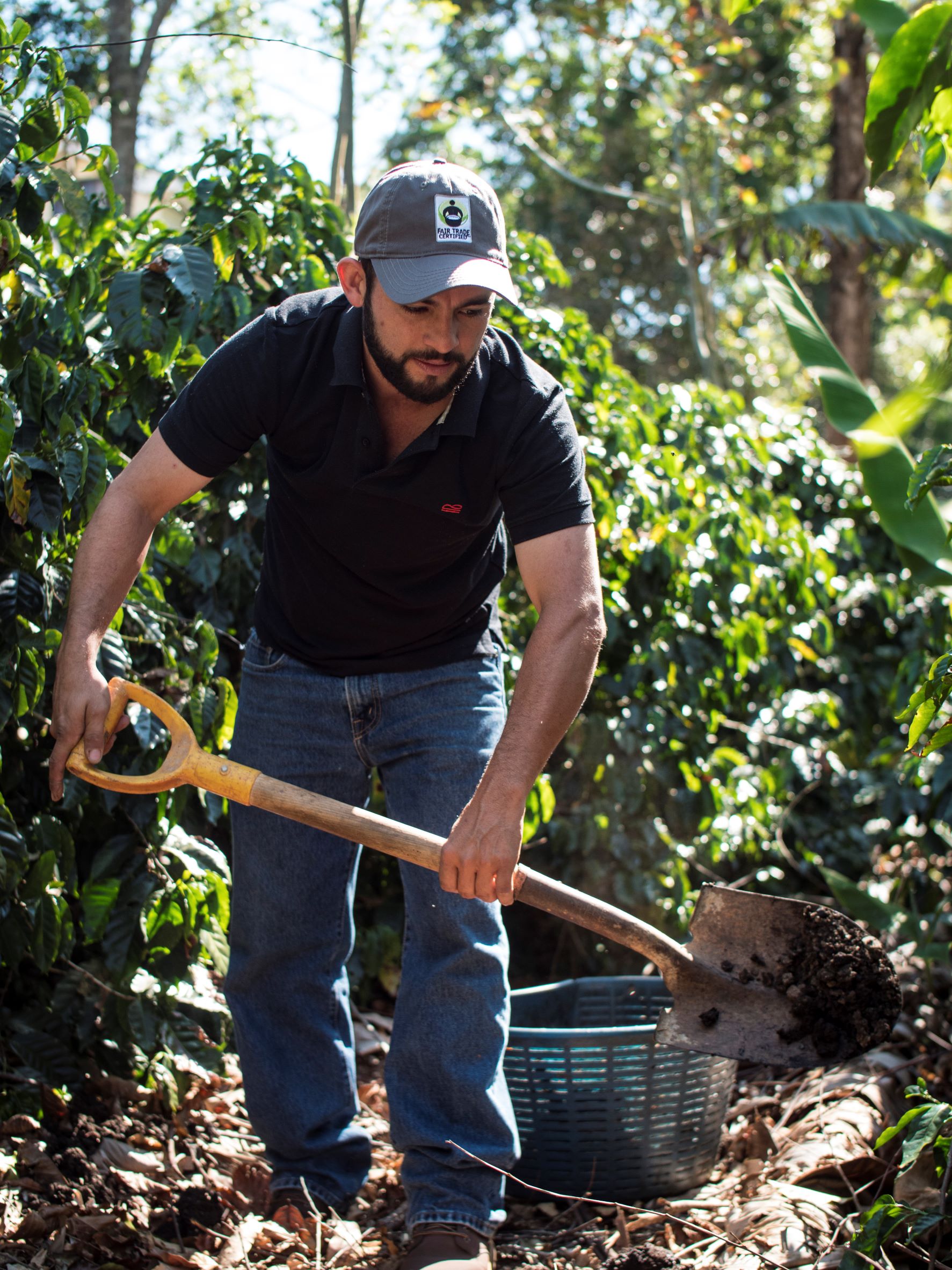
Farmers, Factories, and Fisheries We Partner With
These are just a few of the Fair Trade producers that we work with. You can view a list of more partners here.


Stories from Fair Trade Producers
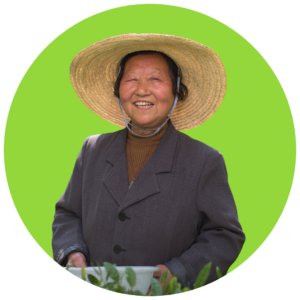
Jiang Feng
“I’m grateful to have been able to produce quality tea and help my community at the same time. With support from the premiums on Fair Trade sales, we’ve assisted childrens’ educations, helped with medical bills, planted trees, trained upcoming farmers, constructed roads and even streetlamps.”

Mohammed Zunaid Alam
“Since the Fair Trade program started here, the factory has improved overall and we have received different types of orders from abroad. I like that by working to make a good product, we are also able to help our families and each other. The past four years of premiums have really helped my family – one year, I was able to fix my roof; I’ve invested in savings which will double in 5 years. As my two daughters grow, they will need funds for furthering their education.”

Inza Sanogo
“Before we were certified, our parents worked in the cocoa fields and did the best they could. Now that we’re certified we have gained new infrastructures and social improvements for the village and local community, as well as trainings to continue improving our skills and techniques. It’s so important to be trained.”

R. Sumita
“When we started the [Fair Trade] program here in 2015, I was kind of surprised and in disbelief that this existed. Factories that give back to the workforce and care in this way are few and far between. With our Fair Trade Community Development Funds, workers often receive household goods like rice and oil, which are key to celebrating the Tamil New Year. Workers from other factories are amazed when they hear of the benefits of working at a Fair Trade Certified factory.”

Guerdie Belon
“Working is my pride, and being able to work in an organized way is very important. The way we collect the mangos is very good because there is no waste and the return is guaranteed and stable. In this community the hardest things are sending your children to a good school and food is not easy to find. The mango business makes it easier for the entire community because we can all prosper from it.”
Certification Overview
Get in touch with our team
Fill out a form below to learn more about what it takes to get certified.
Create your Certification Plan
We’ll work closely with your team to audit your business needs and identify a plan to achieve certification.
Execute your Program Rollout
Access a stepped approach to full compliance that makes progress achievable for your unique situation. You’ll receive comprehensive support throughout the entire process!
Frequently Asked Questions
Can small-scale producers or cooperatives become certified?
Yes, we certify small scale producers as well as cooperatives.
Do I need to be part of a cooperative to qualify?
o, you do not need to be part of a cooperative to qualify for certification.
How does Fair Trade USA’s certification impact small-scale farmers in developing countries?
Fair Trade USA’s certification enables sustainable development and community empowerment. This is achieved through a key component of the model: the Fair Trade Premium.
The premium is an additional sum of money paid by companies on top of the product’s price, which goes into a Community Development Fund. This fund is then democratically controlled by a committee of farmers, fishers, or workers who use a needs assessment to identify and invest in projects that best address their community’s most pressing needs, such as:
- Education: Building or improving schools as well as providing scholarships and school supplies.
- Healthcare: Constructing health clinics or providing access to sanitary facilities.
- Infrastructure: Installing clean water systems or improving housing.
- Emergency Funds: Providing relief during natural disasters or health crises like the COVID-19 pandemic.
- Business Operations: Investing in new equipment, technology, or job training to increase efficiency and productivity.
How long does it take to become Fair Trade Certified?
The time to get certified varies depending on the category and commodity, but the process generally involves these three steps:
- Application: You submit an application to a third-party auditor like FLOCERT to begin the process.
- Audit: An auditor will review your documents, inspect your premises, observe working conditions, and conduct confidential interviews with workers.
- Evaluation & Certification: The auditor’s report is analyzed. If all requirements are met, you receive certification. If non-conformities are found, you must correct them to receive your certificate.
A certification cycle lasts for three years for producers, during which regular surveillance audits are conducted to ensure continued compliance.
Can certification be revoked?
Yes, certification can be revoked if a producer fails to comply with the Fair Trade Standards after non-conformities are found during an audit and not rectified.
How does Fair Trade Certified differ from other certifications for producers like me?
The Fair Trade Certified model is distinct from other certifications in several ways. While many certifications may focus on environmental or product-specific criteria, Fair Trade’s model is uniquely centered on producer empowerment and social development.
Key differentiators include:
- Fair Trade Minimum Price: For certain commodities, a price floor is in place to protect producers from volatile markets.
- Fair Trade Premium: This is the additional money paid by companies directly to the producer community’s development fund, giving workers and farmers full control over how to invest in their community’s needs.
- Democratic Decision-Making: The model is built on empowering producers through a democratically-elected Fair Trade Committee that makes all spending decisions for the premium.
What is the Fair Trade Premium and how is it used?
The Fair Trade Premium is an additional payment, separate from the price of the product, that is paid by the companies that purchase Fair Trade Certified goods. This fund goes directly to the producers and is managed by a democratically elected Fair Trade Committee. The committee conducts a needs assessment to determine the most beneficial use of the funds for their community. The premium can be used for a wide range of projects, from community development and business improvements to cash payouts to workers.
What support does Fair Trade USA provide to help small producers get certified?
Fair Trade USA provides comprehensive support for small producers throughout the entire certification process. This includes:
- In-field support to assist producers on the ground.
- A stepped approach to compliance that makes progress achievable.
- Collaboration to create a certification plan that is tailored to a business’s unique needs.
What happens if a cooperative or producer fails an audit?
A cooperative or producer does not “fail” an audit in the traditional sense. Instead, if an audit identifies areas that do not fully meet the Fair Trade Standards, these are documented as non-conformities. The producer then has a specified period of time to correct these issues and provide evidence of the corrective actions. Certification is granted only after all non-conformities have been successfully resolved. In some cases, a temporary “Permission to Trade” may be issued to allow the business to move forward while it works on correcting minor issues.
Can producers use the Fair Trade Premium for any purpose?
While the premium funds are flexible and controlled by the producers, their use is not unlimited. A democratically-elected Fair Trade Committee leads the management of the funds. They must perform a needs assessment to identify the community’s most pressing needs, propose a plan for how the funds will be used, and then have the plan approved through a community vote. This process ensures that the funds are used for projects that benefit the community as a whole.