
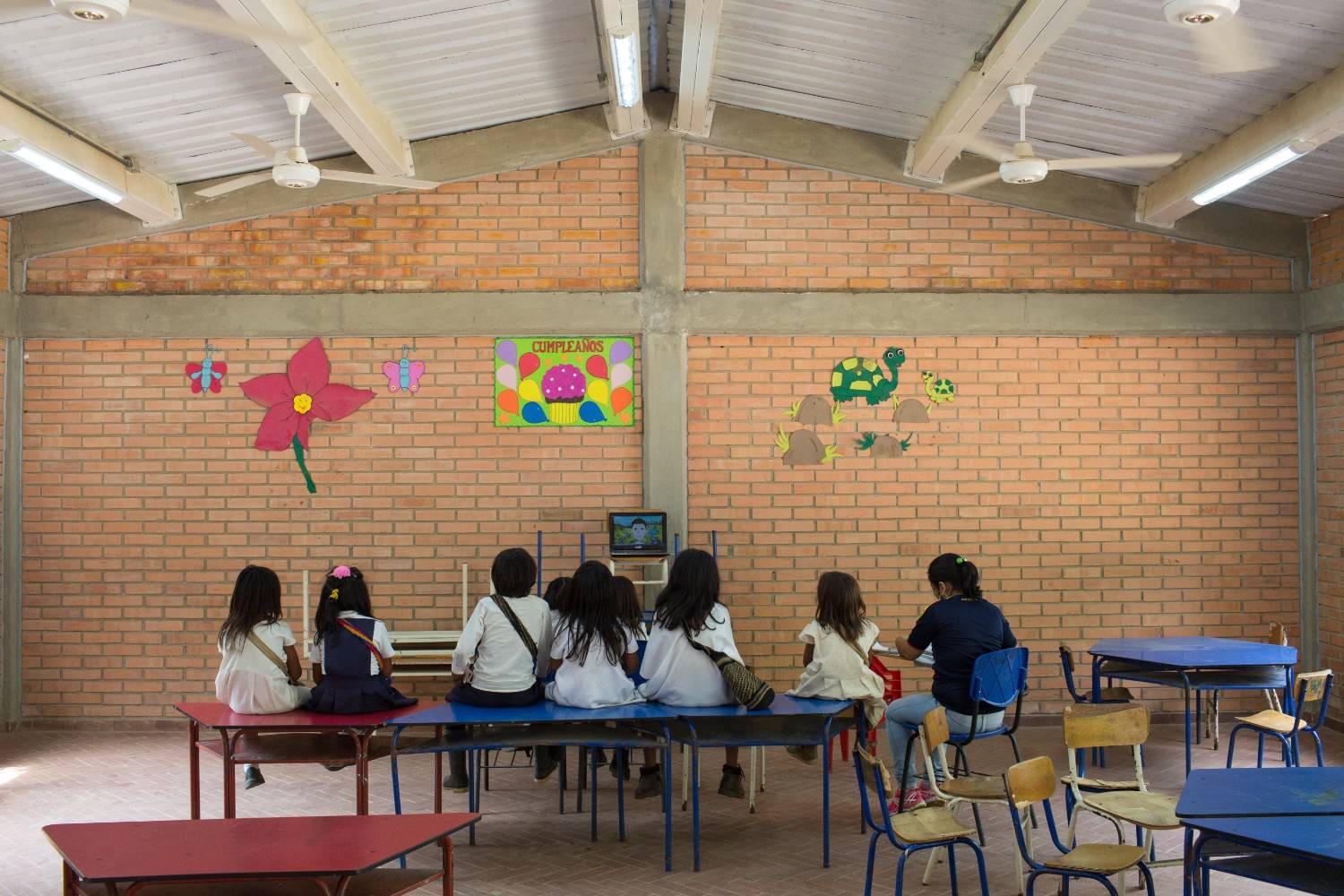
Students in Cesar, Colombia, benefit from classroom resources made possible in part by Fair Trade Community Development Funds.
A harvest doesn’t wait for a school calendar. When coffee cherries or cocoa pods ripen, they need to come off the tree within days. This can leave farming families with limited choices. A crop that doesn’t pay enough to cover outside labor pushes farms toward family labor, which can cost children time at school, and leave parents to make difficult decisions about their livelihoods.
Fair Trade Certified™ standards draw a hard line against child labor. To uphold these standards, our team works directly with farming communities to address needs, help increase product viability in global markets, and lean into local leadership and expertise. So, how does our model actually address child labor in the field? And, how do we offer continuous support to farming communities?
Fair Trade Certified Standards
The Fair Trade standards set the baseline: no child labor, full stop, with specific rules that go further than a blanket ban. It sets minimum ages for any work on a certified farm and requires cooperatives to have a system in place for identifying and responding to risk before it becomes a violation.
Standards also build remediation into compliance. If a violation surfaces, the response is a Corrective Action Plan with a timeline. The goal is a farm that fixes the underlying problem and stays in the Fair Trade system, gaining the ongoing support that helps keep standards in place.
Ongoing Audits
To uphold standards and offer continued support to farming communities, independent, third-party auditors regularly visit certified farms and cooperatives. These auditors review records, talk with workers and farmers, and look for the specific risk factors tied to child labor: unsupervised minors on-site during school hours, hazardous tasks assigned to anyone under the legal age, or wages too low to cover the labor a harvest actually requires.
When an audit reveals a gap, a Corrective Action Plan is opened with clear steps and a follow-up audit. Follow-ups create an ongoing system of accountability, and allow for our standards to go beyond checking a box. Building collaboration into the Fair Trade Certification model allows producer voices to be in the center and understand how communities can best be supported as they build strong systems.
Fair Trade Community Development Funds
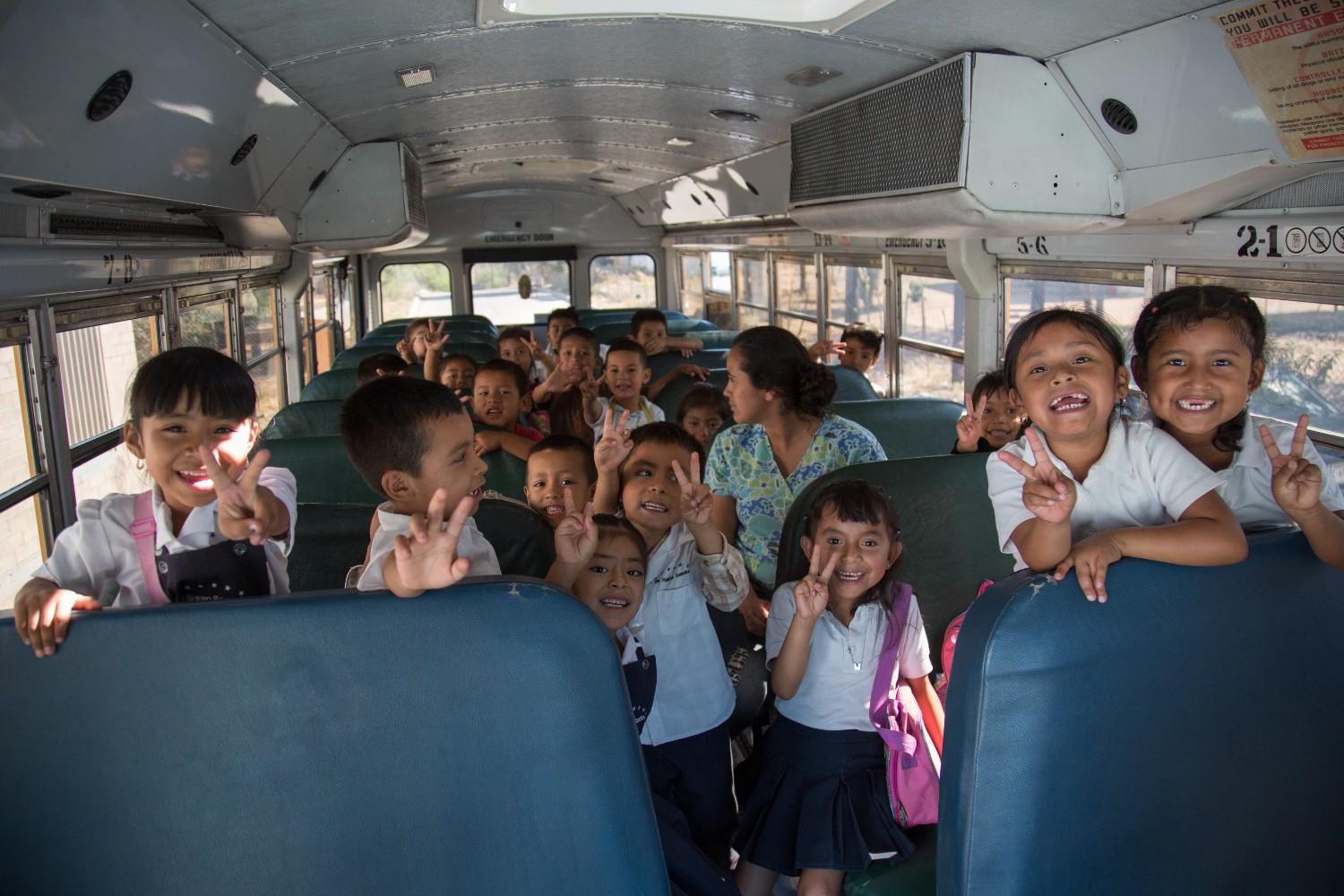
Fair Trade Community Development Funds are a key part of how the model supports producer leadership and expertise. Producers on certified farms can use funds on projects of their choosing, and many elect to support children in attending and staying in school. Many communities have chosen to fund transportation, school supplies, scholarships, and more.
In one Côte d’Ivoire cocoa cooperative, a women’s savings and loan association started with 30 members and has grown to 240. Through the group, members can access small loans, literacy classes, and business training, all funded through Community Development Funds. One member used her first loan to add a refrigerator to a small shop. As the business grew, so did her income. Now all seven of her children are able to attend school. Stories like this show what’s possible when producers lead, and how income stabilization and increased opportunity help keep children in school.
Collaboration and Continued Support
Our work depends on partnership and collaboration. Fair Trade’s Producer Services team works on the ground with cooperatives, providing training, tools, and technical guidance that help communities identify their own risks, strengthen governance, and run Community Needs Assessments that shape where investment goes next.
Farmers determine the priorities, and Fair Trade helps make resources, systems, and choices available to families. Communities that choose and lead their own child protection and investment decisions build continuously improving systems, because the people closest to the challenge are the ones solving it.
For more on how communities are protecting and creating opportunities for children, check out Stories from Fair Trade Cocoa Communities.