2026 Fair Trade Certified™ Chocolate Brands
Finding Fair Trade Certified™ chocolate is easier than ever. Look for the Fair Trade Certified label at natural and organic grocers like Whole Foods Market, as well as mainstream stores like Kroger, Aldi, and Costco. As demand for ethical products continues to grow, more retailers are expanding their ethical product lines.
If online shopping is more your style, you can buy directly from one of our many trusted partners like Lake Champlain Chocolates and Marich, or browse platforms like Amazon, Thrive Market, and Walmart. Wherever you shop, choosing Fair Trade Certified chocolate helps support cocoa farmers and create a more sustainable future.
Want to do even more? You can also make a donation to directly support cocoa farmers and their communities. Looking for stories on how certified chocolate makes a difference? See how our brand partners are supporting cocoa farmers in Cote D’Ivoire.
Now that you know where to find it, let’s explore why buying Fair Trade Certified chocolate matters so much.
Your guide to finding ethically sourced Fair Trade Certified chocolate.
When it comes to revolutionizing the cocoa industry, your job is the easiest… and the tastiest.
You may not know it at first glance, but chocolate products go through a lengthy process to earn the Fair Trade Certified label. Producers and businesses we work with adhere to strict labor, environmental, and ethics standards that prohibit slavery and child labor and ensure cocoa growers receive a steady income, regardless of volatile market prices. It’s not an easy process. You can thank them for their commitment, and incentivize even more sustainably-made chocolate, by enjoying Fair Trade chocolate in its many forms, from chocolate bars, powders, and baking chips to ingredients in energy bars and snacks.
Satisfy your conscious craving and support the farmers who sweeten our lives by choosing one of these ethically sourced chocolate options. Whether you shop online or look for these brands in-store, be sure to look for the Fair Trade Certified label. Your purchase makes a difference!
More facts about Fair Trade chocolate:
- 35 million pounds of Fair Trade Certified cocoa are imported from around the world annually, predominantly from the Ivory Coast, Peru, Dominican Republic, and Ecuador.
- Through your purchase of Fair Trade Certified chocolate, millions of dollars have been invested back into cocoa producer communities, resulting in life-transforming projects, such as building schools in the Ivory Coast and improving access to education. Did you know the rate of child labor in cocoa growing communities is significantly lower when the quality of education is higher?
- According to our reports, cocoa farmers earned more than $3.2 million in Community Development Funds within the span of one year.
Why buy Fair Trade chocolate?
Buying Fair Trade Certified chocolate means you’re actively supporting equity, transparency, and sustainability in the global cocoa industry. By choosing fair trade chocolate brands and shifting even a portion of your purchases to Fair Trade Certified options, you’re helping to transform the industry. Your choice sends a clear message to retailers and producers that ethical practices matter.
Benefits of buying Fair Trade chocolate
In addition to satisfying your cravings, there are many benefits of buying Fair Trade chocolate. Here’s how your purchase makes a difference:
- Fair Wages: Farmers receive stable income and Fair Trade Community Development Funds to support long-term growth.
- Strengthens Communities: The premiums generated from Fair Trade sales are reinvested into Community Development Fund projects chosen by the farmers themselves, such as schools, healthcare facilities, and clean water initiatives.
- Protects Workers and Children: Fair Trade prohibits exploitative practices, including forced and child labor. Rigorous standards help ensure safer working conditions and promote gender equity and worker empowerment.
- Fosters Sustainability: Supports sustainable farming and eco-friendly practices.
- Transparency: You can feel good knowing exactly where your chocolate came from and the positive impact your purchase is having on the people who grew it.
What kinds of Fair Trade Certified chocolate can you buy?
There’s more than one way to treat yourself, and support cocoa farmers while you’re at it.
Fair Trade Certified chocolate comes in all your favorite forms, from smooth milk chocolate bars and rich baking ingredients to energizing snacks, cozy hot chocolate mixes, and even delicious vegan chocolate options. You’ll also find it in seasonal treats and gift-worthy assortments, making it easy to indulge ethically year-round.
Every product you choose supports safer working conditions, better wages, and stronger communities for cocoa farmers. So go ahead, take another bite. That’s an impact you can taste.
Shop Fair Trade Certified and explore the many types of chocolate available.
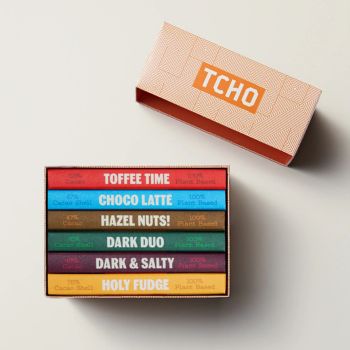
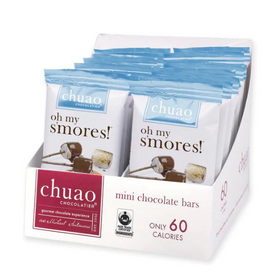
Fair Trade Certified Chocolate from our Partners

Unreal
Variety Pack
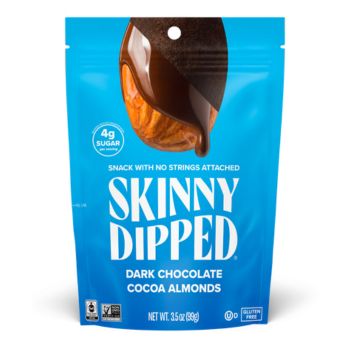
SkinnyDipped
Thin-dipped Dark Chocolate Cocoa Almonds
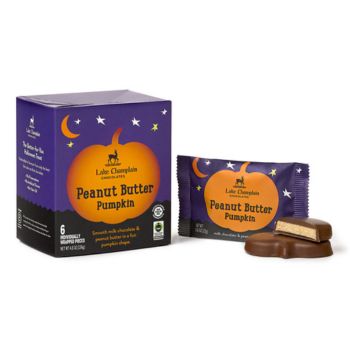
Lake Champlain
Peanut Butter Pumpkins
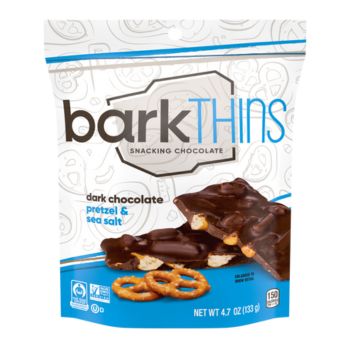
barkTHINS
Dark Chocolate Pretzel & Sea Salt Snacking Chocolate
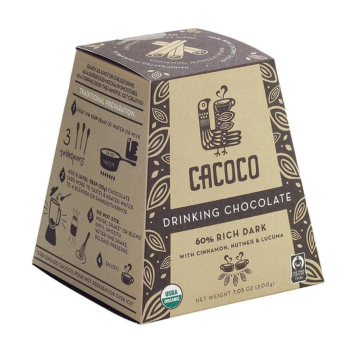
Cacoco
Ceremonial Drinking Chocolate – 60% Rich Dark
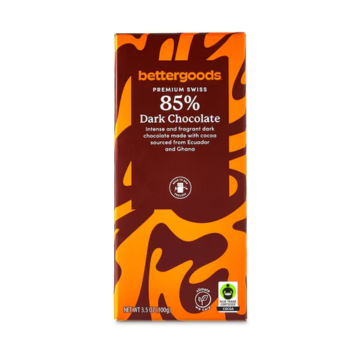
bettergoods
Premium Swiss 85% Dark Chocolate Bar
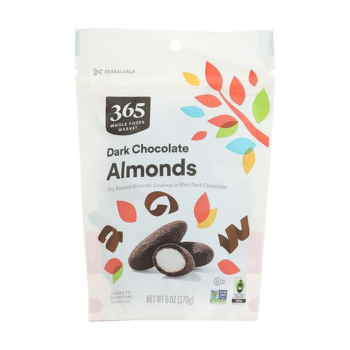
365 by Whole Foods Market
Dark Chocolate Almonds
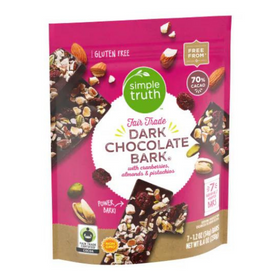
Kroger - Simple Truth Organic
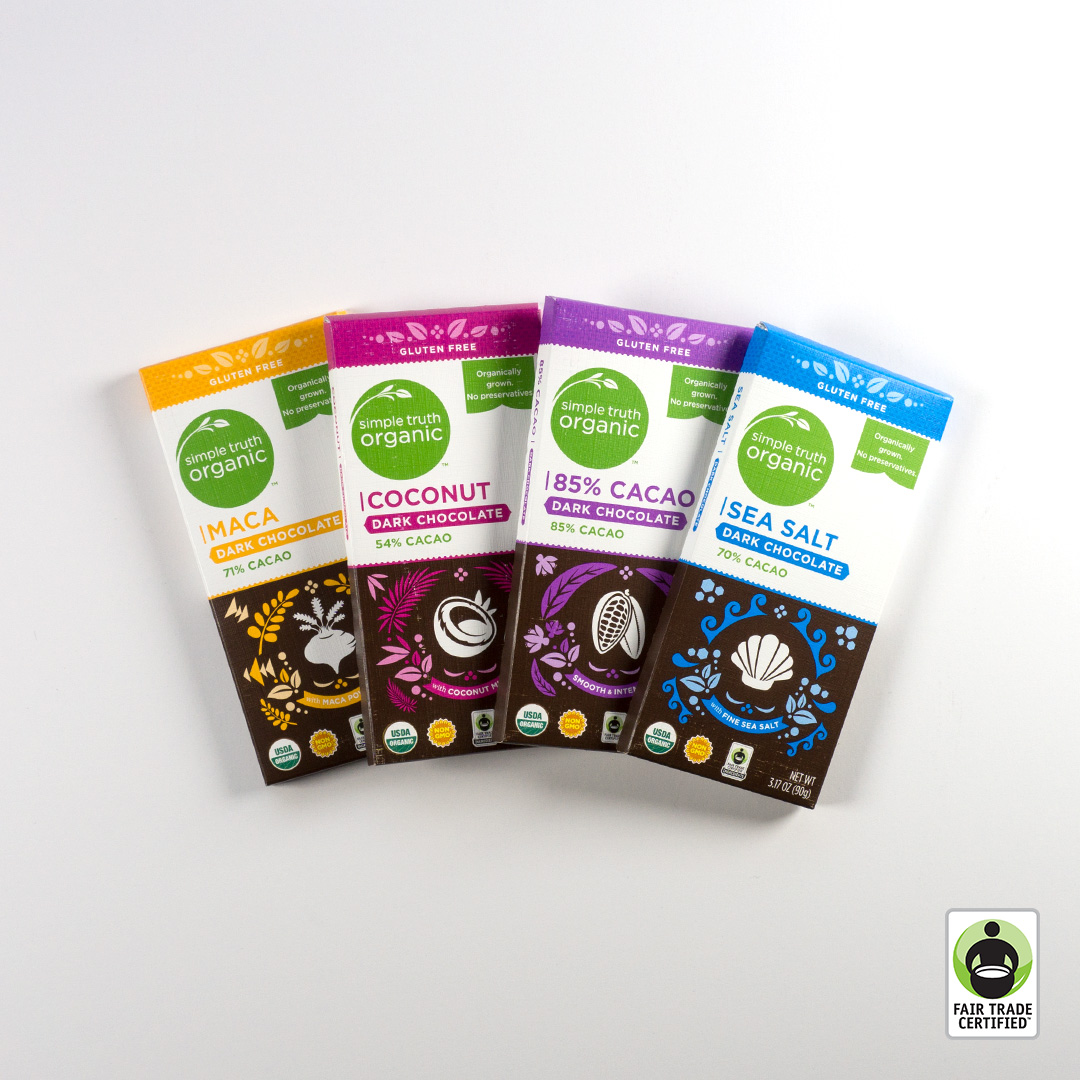
Simple Truth Organic (Kroger)
Fair Trade Chocolate Bars
Related Content
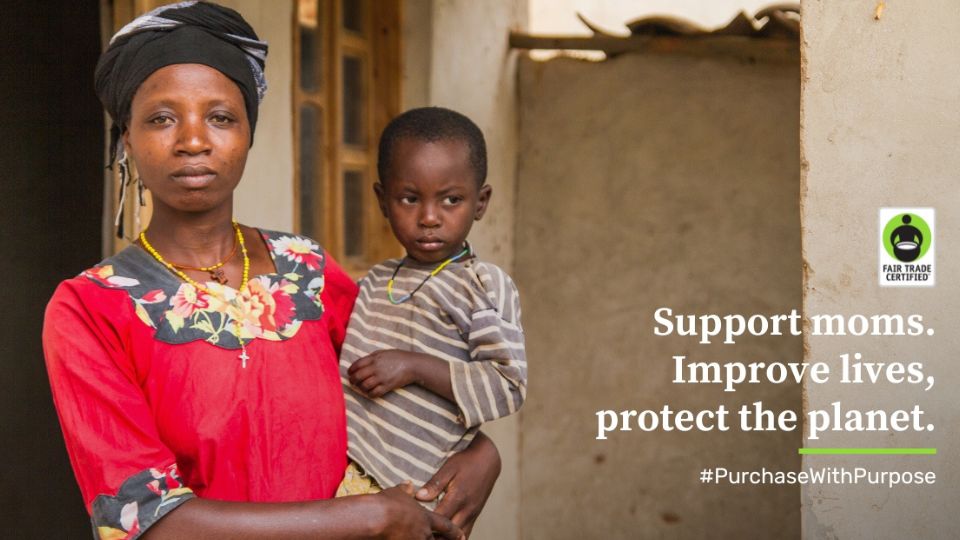
Fair Trade Certified Gifts for Mother’s Day 2026

Get Involved in the Fair Trade Movement!
Join our dedicated community of conscious consumers, and stay informed on the latest news and updates, learn about your impact, upcoming events, and more!